₹120.00 Original price was: ₹120.00.₹80.00Current price is: ₹80.00.
Solar energy is a fantastic way to use the sun’s abundant energy to power our world in a clean, sustainable manner. Here are some cool applications of solar energy:
-
1. Residential Solar Power:
- Roof-Top Solar Panels: One of the most common uses of solar energy is seen on rooftops across neighborhoods. Solar panels, usually made of silicon, capture sunlight and convert it into electricity for use in homes. This clean energy source reduces reliance on traditional electricity grids and can even allow homeowners to sell excess energy back to the grid.
- Solar Water Heaters: A popular way to harness solar energy at home is through solar water heating systems. These systems use solar collectors, often mounted on the roof, to absorb heat from the sun and transfer it to water for domestic use. They are particularly effective in sunny climates and can significantly reduce energy bills associated with water heating.
2. Commercial and Industrial Use:
- Solar Farms: Large-scale solar farms consist of thousands of solar panels spread across acres of land. These farms harness the sun’s energy to generate electricity on a utility scale. The electricity produced can be used to power entire towns and cities, reducing the carbon footprint of traditional power sources.
- Industrial Applications: Industries such as manufacturing, food processing, and mining are adopting solar energy to power their operations. Solar panels integrated into the design of buildings or installed on unused land can provide a sustainable and cost-effective source of electricity.
3. Off-Grid Power Solutions:
- Remote Areas and Developing Regions: Solar energy is a game-changer in regions where connecting to the electricity grid is challenging or expensive. Off-grid solar systems, equipped with batteries for energy storage, provide reliable power for lighting, communication, refrigeration, and even small-scale businesses.
- Emergency and Disaster Relief: Portable solar generators and kits are vital in emergency situations, such as natural disasters or humanitarian crises. They provide immediate access to electricity for medical equipment, lighting, and communication devices when traditional power sources are unavailable.
4. Solar-Powered Transportation:
- Solar Cars and Buses: Advances in solar technology have led to the development of solar-powered vehicles. These vehicles integrate solar panels into their design, allowing them to harness sunlight to charge batteries and extend their range. Solar-powered buses are also becoming a greener option for public transportation in cities.
- Solar Boats: From leisure boats to ferries, solar-powered watercraft are gaining popularity. Solar panels mounted on boat surfaces capture sunlight to propel electric motors, offering a sustainable and silent mode of water transportation.
5. Agricultural and Farming Innovations:
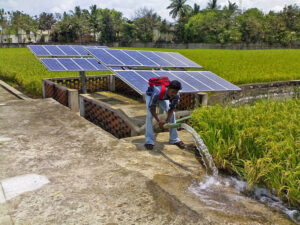
- Solar Water Pumps: Farmers in remote areas can benefit from solar-powered water pumps for irrigation. These pumps draw water from wells or rivers using energy from the sun, enabling farmers to grow crops even in off-grid locations.
- Greenhouse and Livestock Operations: Solar energy helps regulate temperature and humidity in greenhouses, optimizing plant growth. Additionally, solar-powered fans, heaters, and lighting systems improve conditions for livestock, reducing energy costs for farmers.
6. Portable Solar Devices:
- Solar Chargers: Compact and lightweight solar chargers are ideal for outdoor enthusiasts, travelers, and anyone on the go. They can charge smartphones, tablets, cameras, and other electronic devices using sunlight, providing a convenient and eco-friendly power source.
- Solar Lanterns and Lights: In areas without reliable access to electricity, solar-powered lanterns and lights offer a safe and sustainable alternative to kerosene lamps. They are used for indoor lighting in homes, outdoor lighting in gardens or pathways, and even for camping or hiking trips.
7. Space Exploration:
- Solar-Powered Satellites: Satellites and spacecraft rely heavily on solar energy to operate in the vastness of space. Solar panels, often seen extending from satellite bodies, capture sunlight to generate electricity for communication, navigation, and scientific research.
- Mars Exploration: Solar panels are a critical component of rovers exploring the surface of Mars. These panels provide the energy needed for mobility, data collection, and transmitting findings back to Earth, showcasing the versatility of solar energy even in the most challenging environments.
8. Educational and Demonstration Purposes:
- Solar-Powered Learning Labs: Educational institutions use solar panels to teach students about renewable energy. Solar-powered learning labs, equipped with panels and monitoring systems, allow students to understand firsthand how sunlight is converted into electricity.
- Demonstration Projects: Communities and organizations often set up solar-powered demonstration projects to raise awareness about renewable energy. These projects, such as solar streetlights, community centers, or public charging stations, showcase the benefits and feasibility of solar energy adoption.
These applications highlight the diverse ways in which solar energy is being harnessed to create a cleaner, more sustainable future. Whether it’s powering homes, businesses, transportation, agriculture, or space exploration, the sun’s abundant energy continues to inspire innovation and positive change across the globe.
Hurry up! Flash Sale Ends Soon!